


-

Add: HeBei ShengShi HongBang Cellulose Technology CO.,LTD.
-

Email
13180486930@163.com -

CONTACT US
+86 13180486930

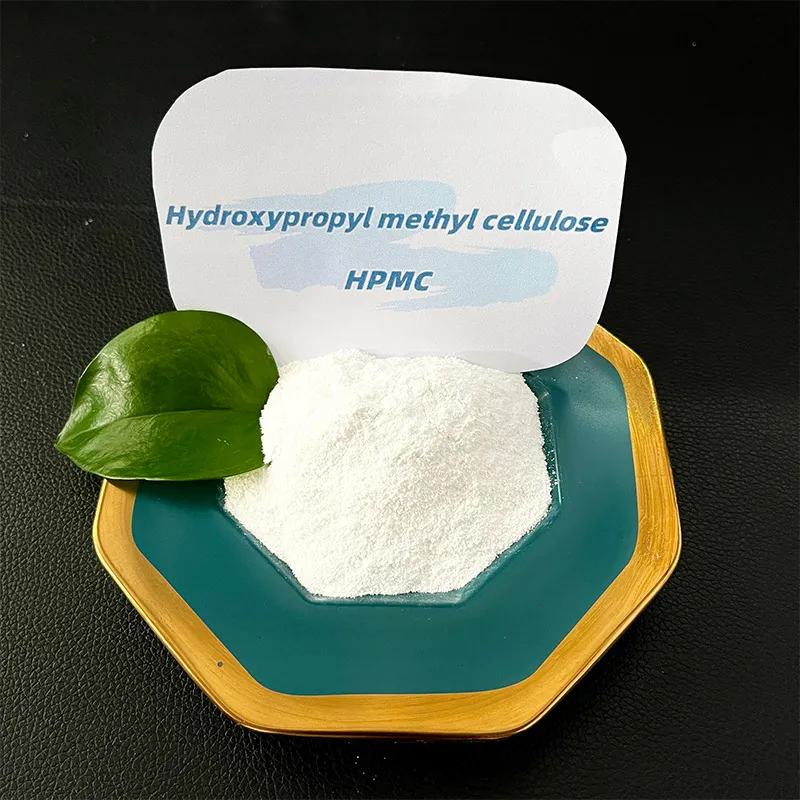



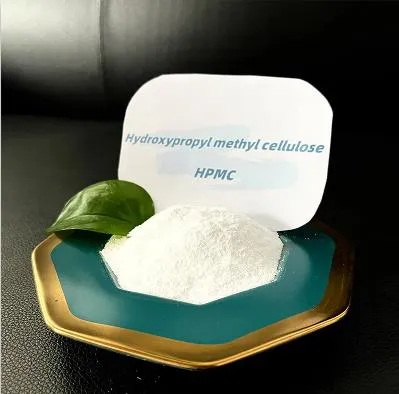
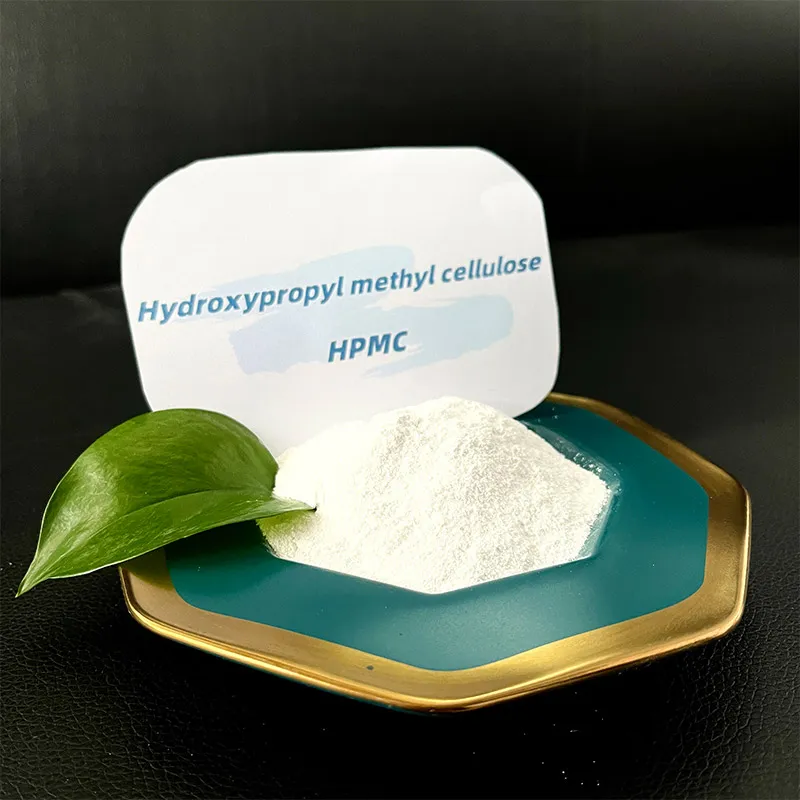
Hydroxypropyl methylcellulose (HPMC) is a synthetic polymer widely used for its versatility and applications in various industries, such as pharmaceuticals, food, and cosmetics. Understanding the solubility of HPMC in organic solvents is paramount for those involved in product formulation and innovation. This article provides an in-depth look at the solubility map of HPMC, informed by real-world experiences and expert insights, to help you make informed decisions. HPMC is known for its unique solubility properties that make it highly functional. Unlike many cellulose derivatives, HPMC is soluble in water and some organic solvents. However, the solubility in organic solvents is not as straightforward as its aqueous counterparts . The degree of substitution and the nature of the solvent are primary determinants of HPMC’s behavior. A deep dive into solvent interactions reveals that HPMC demonstrates compatibility with polar organic solvents. Methanol, ethanol, and isopropanol are typically employed as solvents due to their polar nature, which interacts favorably with the HPMC molecules. Although complete dissolution may not always be achieved, blending these solvents with water often enhances solubility. Many formulators rely on these mixtures for HPMC applications, especially when targeting specific viscosities and functional attributes. In the arena of pharmaceutical formulations, the solubility of HPMC in organic solvents plays a vital role in controlled-release drug delivery systems. Experts frequently use a combination of ethanol and water to create a semi-solid matrix, which acts as a vehicle for sustained drug delivery. The solvent ratio, viscosity grade of HPMC, and other polymer characteristics are meticulously adjusted to meet the therapeutic needs. Despite considerable research and anecdotal evidence supporting specific solvent use, nuances in product formulations are inevitable. Experience lends insight into overcoming challenges such as solvent evaporation and maintaining polymer integrity. For instance, blending organic solvents with plasticizers has proven effective in preventing brittleness and enhancing film flexibility, a crucial aspect in coating applications. solubility of hpmc in organic solvents In the food industry, where HPMC is used as a thickener and emulsifier, compatibility with organic solvents is scrutinized due to regulatory and safety considerations. The application of ethanol in food-grade HPMC solutions showcases its utility in achieving desirable textures and stability in various consumables. Food technologists often emphasize a rigorous approach to solvent selection, focusing on maintaining consumer safety and product efficacy. Renowned experts in polymer science continuously evaluate the solubility characteristics of HPMC in emerging organic solvents. Environmental concerns and advancements in green chemistry have driven the exploration of eco-friendly solvents like ethyl lactate. These alternatives are gaining traction, though widespread adoption necessitates a careful balance between solubility performance and environmental impact. Trust in the reliability and safety of HPMC-solvent systems stems from robust testing and validation processes. Third-party verifications and certifications, especially in food and pharmaceutical domains, enhance the credibility of HPMC applications. Manufacturers often publish detailed solubility data and safe-use guidelines, supporting formulation scientists in their quest for optimal solubility strategies. Staying informed on advancements and new findings in solvents is crucial for professionals working with HPMC. Attending industry conferences, engaging in workshops, and subscribing to peer-reviewed journals are excellent methods to maintain expertise. Networking with fellow experts provides additional perspectives and solutions, further enriching one's understanding and application of HPMC in various contexts. In conclusion, understanding the solubility of HPMC in organic solvents is essential for optimizing product formulations across multiple industries. Balancing functionality, safety, and environmental considerations remains a top priority for professionals. Adeptly navigating these parameters ensures the development of high-quality, effective products that meet the evolving needs of consumers.
- 40000tons

Production
- 20+years

Experience
- 5000+㎡

Acreage

-
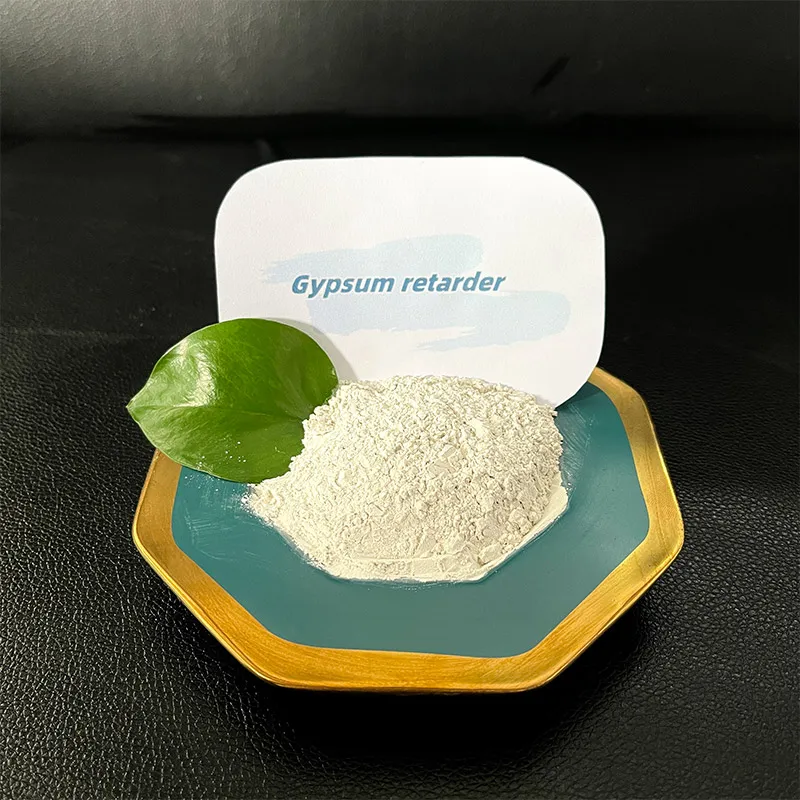
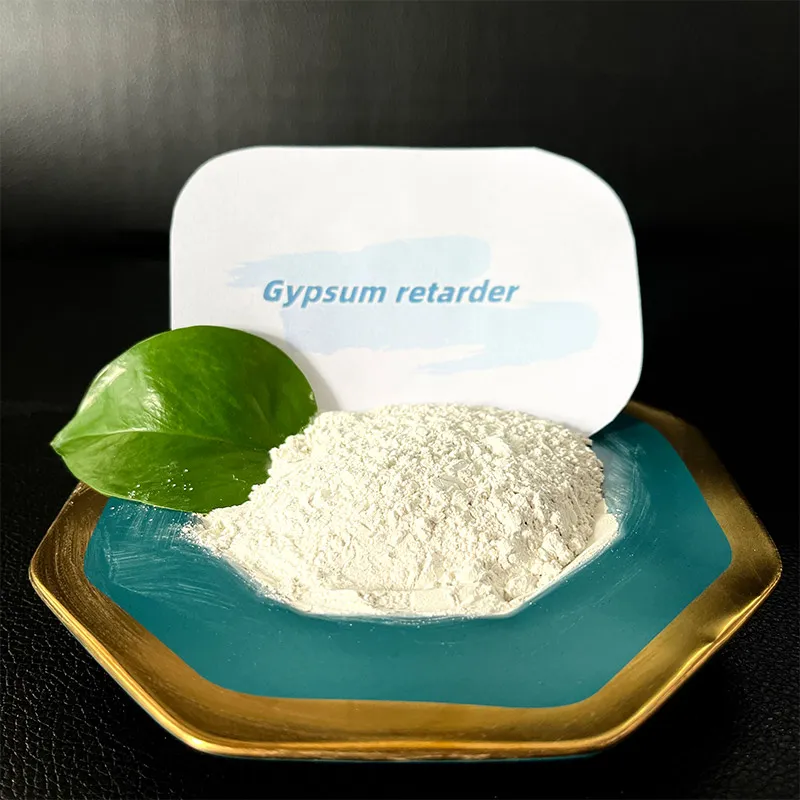
In the world of plastering and construction, achieving optimal working time and preventing premature setting are crucial factors for ensuring high-quality results. One of the most effective solutions is the use of cream of tartar plaster retarder . This naturally occurring substance is increasingly being utilized in the formulation of gypsum-based products due to its ability to extend working time, improve the application process, and maintain the consistency of plaster during drying. In this article, we will explore the importance of cream of tartar plaster retarder and other key retarders in gypsum products , and how these additives are transforming the plastering industry. Why Cream of Tartar Plaster Retarder is Essential in Gypsum-Based Products Cream of tartar plaster retarder plays a vital role in gypsum-based products, particularly in extending the workability of plaster. Gypsum, a commonly used material in construction, sets quickly once mixed with water. While this rapid setting is beneficial in certain applications, it can be problematic when more time is needed to apply the plaster evenly or when working with intricate designs. By incorporating cream of tartar plaster retarder into the mix, the setting time is slowed, allowing plasterers more flexibility to work with the material before it hardens. This retarder works by delaying the crystallization process of gypsum, which is responsible for its quick setting. With a cream of tartar plaster retarder , contractors can achieve a smooth, uniform finish with less pressure and more time to adjust the plaster before it begins to set. This is especially beneficial in larger or more complex projects, where detailed craftsmanship is required, ensuring that the plaster doesn’t dry too fast before it can be applied correctly. The Benefits of Using Extra Time Plaster Additive in Large-Scale Projects An extra time plaster additive is a key tool for ensuring that plaster sets at a controlled rate, which is particularly useful in large-scale or intricate projects. Large surfaces, such as ceilings or walls in commercial buildings, require a more extended working period to apply the plaster evenly. In such cases, an extra time plaster additive allows workers to apply the plaster smoothly without worrying about it drying out too quickly. By adding extra time plaster additive to the gypsum mix, you can ensure that the material remains workable for longer periods. This can make a significant difference in ensuring that the plaster adheres properly and does not form unsightly cracks or imperfections during the drying process. Moreover, the longer workability period enhances the efficiency of the entire plastering team, as it reduces the need for constant re-mixing of the product and provides more time to apply the material precisely. Another key benefit is the reduction of waste. When working under time constraints, contractors often find themselves discarding large amounts of plaster that have hardened prematurely. The use of extra time plaster additive minimizes this issue, ensuring that the plaster remains usable for extended periods without the need for frequent remixes. Understanding the Role of Gypsum Retarder Chemicals in the Construction Industry Gypsum retarder chemicals are essential additives in the construction industry, especially when working with gypsum products like plaster, drywall, and cement. These chemicals serve to delay the setting time of gypsum, ensuring that the material remains malleable and workable for longer. Gypsum itself is a fast-setting material, which can be advantageous in some applications but challenging in others. By incorporating gypsum retarder chemicals , contractors can optimize the workability and overall finish of the product, reducing the risk of defects caused by premature setting. Retarder chemicals work by inhibiting the formation of crystals within the gypsum mix. This allows workers to apply the product more evenly and with more control, particularly in situations that require precise application, such as when smoothing out surfaces or forming intricate details. In the case of gypsum retarder chemicals , the goal is to extend the open time of the product without compromising its final strength or durability. Additionally, gypsum retarder chemicals help to improve the overall quality of gypsum-based products by ensuring that they have a uniform texture and finish. This is especially important in high-demand environments such as commercial or residential construction, where the appearance and durability of the final product are critical. The Importance of Retarders in Gypsum Products for Quality Control Retarders in gypsum products are a crucial part of quality control in construction and plastering. These additives are used to adjust the setting time of gypsum, ensuring that the material remains workable and easy to manipulate until the desired finish is achieved. Without retarders, gypsum-based products would set too quickly, leading to uneven application, poor bonding, and an overall inferior finish. The use of retarders in gypsum products improves the consistency and reliability of plaster and other gypsum-based materials. Whether it’s for large-scale construction projects or smaller renovations, the ability to control the setting time of gypsum is invaluable. For example, during the application of plaster on complex surfaces or for detailed architectural features, a longer working time is essential. This is where retarders in gypsum products come into play—allowing workers to apply the product smoothly and with precision, avoiding issues such as cracking or difficulty in finishing. Moreover, retarders in gypsum products can enhance the sustainability of the project by reducing waste. Faster setting times often lead to excess material being discarded as it hardens before it can be applied. Retarders help extend the usability of gypsum, minimizing this issue and promoting a more efficient and cost-effective process. The use of cream of tartar plaster retarder , extra time plaster additives , and gypsum retarder chemicals is essential in the production of high-quality gypsum-based materials. These additives not only improve the workability and flexibility of plaster but also ensure that it sets at a controlled rate, providing contractors with the time needed to achieve a perfect finish. Whether for large-scale construction or intricate plastering tasks, retarders play an integral role in extending working time, preventing premature setting, and improving the overall quality of the product.
-
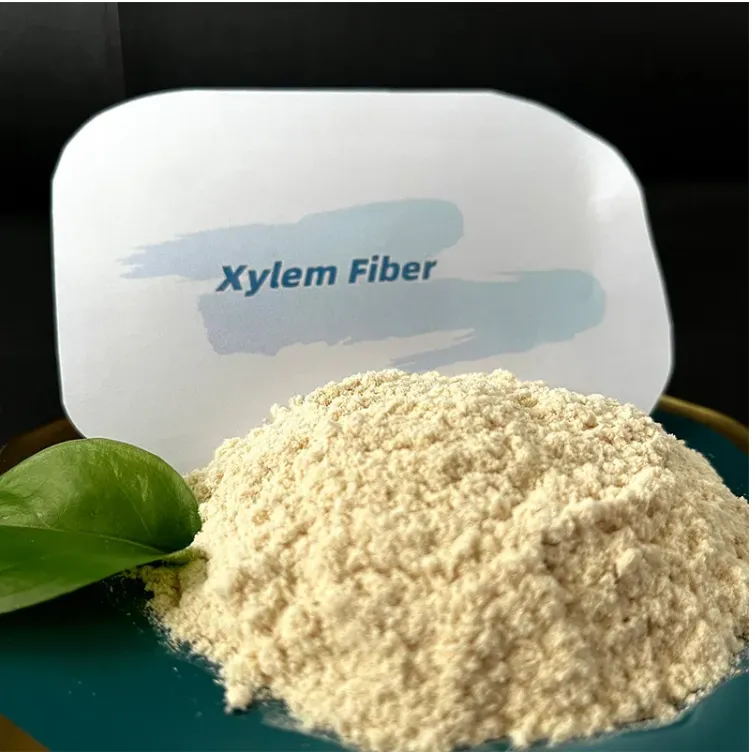
Acid-modified starch, an innovative alteration of native starch, has garnered attention for its unique properties and versatile applications in various industries. Derived from botanical sources such as corn, potato, or tapioca, the product undergoes controlled acidic treatment to modify the starch granules, enhancing its characteristics to meet specific industrial needs. This process involves reducing the molecular weight of the starch, thereby increasing solubility and altering its gelatinization and viscosity properties. One of the prime benefits of acid-modified starch is its role in the food industry, particularly in the manufacturing of confectionery products. Its ability to form clear, firm gels and to stabilize emulsions makes it indispensable in creating the perfect texture for gummy candies, jellies, and other gelatinous sweets. Unlike native starch, acid-modified starch doesn't break down under high temperatures, making it ideal for processes that require cooking or heating, without compromising the quality or appearance of the final product. Beyond confectionery, acid-modified starch plays a critical role in the paper industry . It acts as a surface sizing agent, enhancing the strength and printability of paper. This application not only improves the efficiency of ink usage but also contributes to the smoothness and gloss of the paper, which is essential for high-quality print jobs. Additionally, in the textile industry, its film-forming ability helps in improving the fabric's hand feel, adding weight and stiffening materials, which is crucial in specific apparel manufacturing processes. From an environmental perspective, the use of acid-modified starch as a biodegradable and renewable resource stands out, aligning with the global thrust towards sustainability. This positions the starch as a preferable alternative to petroleum-based products, particularly in packaging applications where reduction of environmental impact is highly prioritized. acid modified starch Experts within the chemical modification sector emphasize the significance of precision in the acid modification process. Achieving consistent product quality demands expertise in adjusting treatment parameters such as pH level, reaction time, and temperature. Leading manufacturers who specialize in starch modification employ rigorous quality control measures and leverage advanced technology to ensure the end product meets stringent industry standards, thereby establishing their authority and trustworthiness in the market. The science behind acid-modified starch also extends to its application in pharmaceuticals, where its improved solubility and disintegration properties enhance the bioavailability of active ingredients. This makes it an essential component in the formulation of tablets and capsules, contributing to more efficient drug delivery systems. Industry leaders and researchers continue to explore new frontiers for acid-modified starch, investigating its potential as a carrier for bioactive compounds or as an ingredient in 3D printing edible objects. These innovations underscore the evolving applications and growing importance of this functional ingredient in aligning industry trends with consumer demands. For companies considering the incorporation of acid-modified starch into their product lines, it's vital to collaborate with experienced suppliers who can provide not just high-quality starch but also insights and technical support tailored to specific applications. As the uses of acid-modified starch extend across industries, staying informed and engaging with knowledgeable experts will ensure businesses can harness its full potential effectively and sustainably.
advantages
-

200000 Viscosities
Excellent product
We can produce pure products up to 200,000 viscosities
-

40000 tons
High yield
We don’t stop production all year round, and the annual output can reach 40,000 tons
-

24 hours
Quality service
We provide 24-hours online reception service, welcome to consult at any time
———— Inquiry Form
Schedule A services
-
 precio_de_metil_hidroxietil_celulosa
Oct . 25, 2025
Hydroxypropyl methylcellulose, abbreviated as HPMC, is revolutionizing various industries due to its -
 fibra_de_polipropileno
Oct . 25, 2025
Kizuia Jasi Embracing Resilience and Strength In a world fraught with challenges, the concept of Kiz -
 plastic_synthetic_fibers
Oct . 25, 2025
Methocel HPMC, scientifically known as Hydroxypropyl Methylcellulose, is a versatile ingredient reno


